
At IMI Canada, we contribute through books, articles, analysis, and commentary exploring healthcare access, policy, politics, risk, reform, and the changing Canadian healthcare landscape.
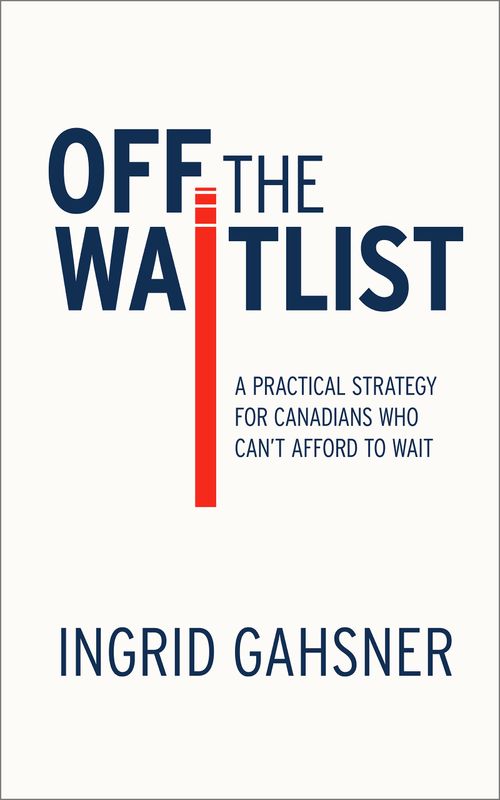
Off the Waitlist explores the realities of healthcare access in Canada and the personal, financial, and professional consequences of delayed care. It introduces healthcare access planning as a practical framework for individuals who can't afford to wait when health concerns arise.
This Healthy Debate article by Ingrid Gahsner analyzes Alberta's new dual-practice reform, clarifying what the legislation actually changes for surgeons, hospitals, and patients. The piece explains that while the policy reshapes where private care occurs and retains provincial capacity, it does not address the system bottlenecks that continue to drive long wait times.
Link to ArticleThis article breaks down the human and economic cost of delayed care, explaining how wait times now affect not only health outcomes but independence, family impact, and financial security. Ingrid outlines why timely access is no longer guaranteed and why Canadians must plan for delays before a medical event occurs.
Link to ArticleIn this widely shared feature, Ingrid examines the structural causes of hallway medicine in Ontario including LTC bottlenecks, diagnostics delays, primary care shortages, and funding policies that force hospitals to run at full capacity. She introduces Access Risk as a growing consequence of system delays.
Link to ArticleIn this interview, Ingrid speaks about the development of Access Risk, the inspiration behind Off the Waitlist, and how private medical insurance fits into a modern blended approach to healthcare access. She discusses her work with clients and why traditional planning overlooks the risk created by delayed care.
Link to ArticleWaiting for care is no longer an exception it's a structural reality. This article introduces access risk as the foundational threat underlying health, time, and financial security, and explains why delayed care now overrides even the most carefully built plans.
Link to ArticleThis article examines why many Canadians believe they are protected by public healthcare, workplace benefits, or insurance—only to discover critical gaps when they need care. Ingrid explains the difference between having coverage and having timely access, and why understanding those limitations in advance is essential to protecting health, financial security, and choice.
Link to ArticleThis article examines why increasing healthcare spending alone will not resolve Canada’s access crisis. Ingrid explains how structural limitations—including how care is organized, delivered, and funded—continue to create bottlenecks, and why meaningful reform requires changing the system itself rather than simply adding more money.
Link to ArticleDelayed access to diagnosis and treatment is creating a new financial planning exposure — the period between illness and care. This article examines how healthcare delays can affect income, liquidity, business continuity, and long-term financial plans, and why advisors need to account for access risk alongside traditional protection planning.
Link to Article